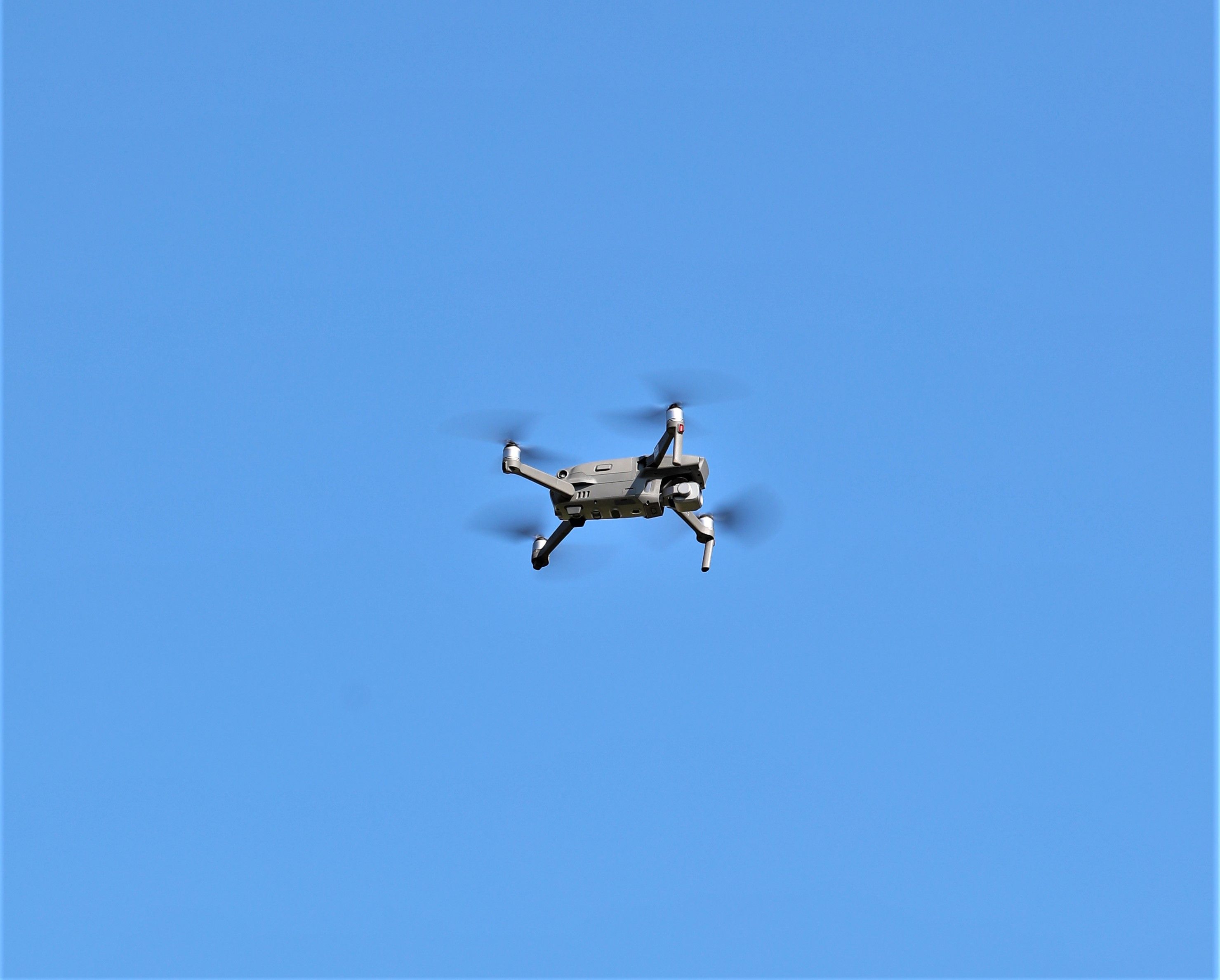
A pilot is often presented as an early demonstration of a new technology. For complex autonomous systems, however, a responsible pilot should be the result of completed engineering and technical validation—not a substitute for them.
The autonomous UAV advertising platform is currently at the pre-prototype stage. The immediate objective is therefore to translate the system architecture into a functioning engineering prototype and evaluate whether its principal components can operate together reliably.
Only after that work has produced sufficient evidence should a controlled pilot be designed.
Establishing Technical Readiness
Before a system can be tested outside a controlled engineering environment, its essential functions must be examined individually and as part of the complete platform.
The prototype phase provides the first opportunity to compare the documented architecture with physical performance. It allows technical assumptions to be tested, integration challenges to be identified, and the system design to be refined using evidence rather than expectations.
This process may involve several cycles of construction, testing, evaluation, and improvement. Progress should be determined by the quality of the results, not by a fixed public launch date.
Validation Before Demonstration
A prototype demonstration and technical validation are not the same thing.
A demonstration may show that a system can perform a specific task under selected conditions. Technical validation examines whether its relevant functions perform consistently within defined operating boundaries.
This distinction matters because a controlled pilot introduces additional considerations. The environment is less predictable, operating responsibilities become more significant, and technical limitations must be understood before the system is introduced into a broader setting.
The validation phase should therefore produce documented evidence that supports a clear decision: whether the platform is ready to progress, requires further engineering, or needs changes to its operating scope.
Designing a Controlled Pilot
When the required technical conditions have been met, the next step would be to define a limited and carefully structured pilot.
A controlled pilot should have a specific purpose, a restricted operating environment, measurable evaluation criteria, and clearly assigned responsibilities. Its purpose is not to present the technology as commercially complete. It is to examine how a validated prototype performs under realistic but controlled conditions.
The findings would help inform later decisions about system refinement, operating requirements, regulatory preparation, and potential routes to market.
A Stage-Gated Approach
The development pathway follows a deliberate sequence:
Prototype engineering, followed by system integration, controlled technical validation, pilot preparation, and—only when justified by the evidence—a limited real-world pilot.
Each stage should answer a different question. Can the system be built as designed? Can its components operate together? Can it perform consistently under controlled conditions? Can it then be evaluated responsibly in a realistic environment?
Following this sequence reduces the risk of making commercial or operational claims before the supporting evidence exists.
The current focus remains on engineering and validation. Pilot preparation will begin when the prototype has demonstrated the level of technical readiness required to make that next step responsible, measurable, and useful.